
Style and Influence of 1950s Black & White Comic Graphic Art
Updated: Jul 30
The 1950s black-and-white comic graphic art style is an art movement and visual language dramatically shaping American pop culture. Strong contrasts, expressive ink lines, retro dot patterns and overlays create a unique stylistic aesthetic which continues to inspire artists and designers today.
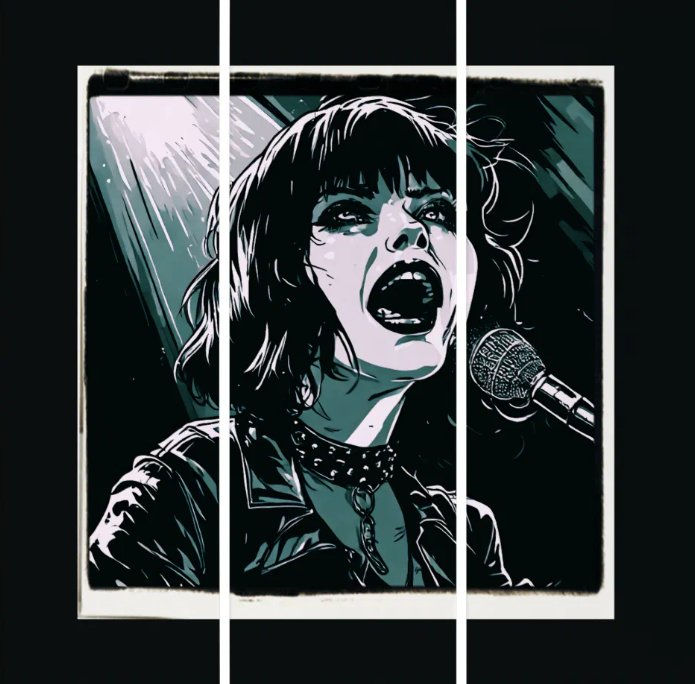
Early magazine publishers printed in black and white because color was expensive, leading to BW as one of the defining factors of this artistic era. In the mid-20th century, comic book art was far from fine art. Many perceived it as mass media, low-brow commercial entertainment. Society regarded it as disposable pulp, and cultural critics even accused it of contributing to juvenile delinquency. Tsk.
The art genre of this time was both influenced by, and influential to, other artistic styles and movements. Eventually it became a genre of its own and continues to evolve to this day, using easily accessible techniques of expression.
Characteristics of 50s BW graphic comic style art include bold contrasts, use of negative space and dramatic noir lighting. It captures a moment in time, a mood, emotion, or lack thereof, creating with the former a dynamic expressive form, and with the latter a statement about its own anonymity - just as pop art emerged from technological mainstream developments, with progressive artists, art houses and art buyers once again breaking rules of what is considered art.

This art form captures the gritty, dramatic essence of mid-20thcentury comics. It's especially prevalent in crime, horror, and romance genres. Knowing its characteristics and influence helps us understand how it remains a powerful tool for storytelling and visual impact.
The Visual Characteristics of 1950s Black-and-White Comic Art
This style is defined by several key visual elements that give it a distinctive look:
Heavy spot blacks: Large areas of solid black ink create strong contrasts and dramatic shadows. These spots help define shapes and add depth without relying on color.
Dynamic ink line-work: Artists used varied line thickness to convey movement, emotion, and texture. Thick lines emphasize bold outlines, while thinner lines add detail and shading.
Retro dot patterns: Known as halftone or Ben Day dots, these patterns simulate gradients and textures. They add a tactile, printed feel reminiscent of pulp magazines and newspaper comics.
High contrast: The absence of color forces artists to rely on black and white alone, making every line and shadow crucial for storytelling.
Expressive imperfection: Expression is preferred over classical perfection. Both German Expressionism and 50s comic styles gained momentum as reactions to idealism in art.
These elements combine to create a visual style that feels both raw and polished, capturing the mood of the stories it illustrates.

Influence of German Expression
The German Expressionist art movement from the early 1900s had a significant impact on 1950s black-and-white comics and graphic art, particularly through the use of chiaroscuro lighting, distorted and jagged angles, and psychological angst. This dark aesthetic transitioned into 1950s crime, horror, and suspense comics, drawing from the traditions of 1930s-40s film noir and wordless graphic novels.
High-Contrast Chiaroscuro: Intense, dramatic shadows and stark black-and-white contrasts were used to depict moral corruption, fear, and inner turmoil.
Distorted Environments: Backgrounds showcased leaning, crooked lines, angular architecture, and claustrophobic framing that reflected unstable psychological states.
Thematic Bleakness: Horror and crime anthologies (such as EC Comics) embraced the fatalistic, moody, and macabre tone made popular by interwar German artists and cinema.
Graphic Line Work: Bold ink strokes and woodcut-style starkness emphasized emotional impact and immediacy over precise, realistic rendering.

Pulp Magazines
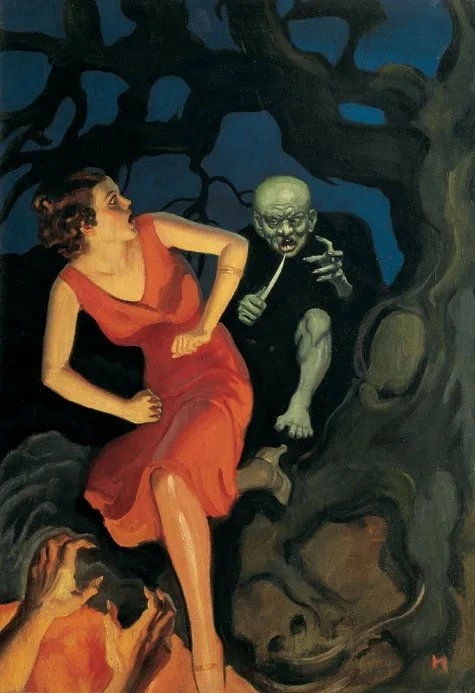
The 1950s black-and-white comic style draws heavily from pulp magazines and classic American comics. Pulp magazines were inexpensive fiction publications popular from the 1920s to the 1950s. They featured sensational stories in genres like crime, horror, and romance, often accompanied by bold, dramatic illustrations.
Comic artists adapted these pulp aesthetics to their work, emphasizing:
Crime stories: Sharp shadows and stark lighting evoke the tension and danger of noir detective tales.
Horror themes: Heavy blacks and eerie line work create suspense and fear, perfect for supernatural or macabre stories.
Romance narratives: Expressive faces and dramatic contrasts highlight emotional intensity and personal drama.
This blend of influences gave the 1950s comic art a gritty yet glamorous feel, reflecting the cultural mood of post-war America.
Influence of Film Noir
Film noir strongly affected the black-and-white comic graphic art of the 1950s. This style peaked in the 1940s and 1950s, fueled by the disillusionment of World War II, the realism of the post-war era, and German expressionist lighting techniques. It led to a surge in the true-crime comic book genre and syndicated newspaper strips. Both forms share a common visual language characterized by high-contrast and gritty urban narratives.
Visual and Artistic Parallels
Chiaroscuro Inking: Comic artists embraced the low-key, harsh shadow effects of classic cinema, using large areas of black ink to define silhouettes and create psychological tension.
Environmental Tropes: Iconic cinematic elements—such as slatted shadows from Venetian blinds, rain-slicked streets, and bright neon lights piercing through deep darkness—became staple graphic motifs.
Compositional Angles: Dynamic, tilted, and low-angle framing imitated the disorienting, expressionist camera work seen in 1940s and 1950s crime dramas.

1950s Japanese BW Samurai Cinema
50s Japanese samuri cinema (jidaigeki) heavily influenced graphic black-and-white comic art, particularly through a shared, fluid cinematic grammar (shots, framing, editing) pioneered in postwar Japan.
Cinematic Paneling: Artists like Osamu Tezuka broke away from traditional static comic grids by adopting cinematic techniques—such as dramatic close-ups, sweeping wide-angle framing, and fast-paced tracking panels—directly inspired by the editing and movement found in 1950s Japanese period motion pictures.

Page from Captain Ken series (1960-61), all copyright Osamu Tezuka
High-Contrast Chiaroscuro: The stark black-and-white contrast required by 1950s film stock and lighting mirrored the heavy ink-wash and shadow techniques used by graphic comic and manga artists to convey tension, grit, and depth without color.
The Flow of Motion: Action sequences in graphic art adopted the kinetic, staggered choreography of sword fights (chanbara), where individual panels act like rapid film frames breaking down a sudden, violent slash or movement.
Mutual Inspiration: Early samurai films were themselves influenced by fast-paced Western framing and editing, which modern Japanese artists then re-interpreted back into sequential art and manga, creating a continuous loop of style across film and print.
Pop Art and Elevation to High Art
Black and white graphic comic book art from the fifties and the vibrant Pop Art movement are closely connected. Pop artists often used comic panels from the 1950s as primary sources, isolating, enlarging, and reinterpreting their commercial graphic techniques both in color and black and white.
Below: Woman in Bath (1963) by Roy Lichtenstein, famous for use of black-and-white comic book-style lines and overlays of Ben Day dots.

Direct Borrowing and Source Material
Appropriation: Pop artists, particularly Roy Lichtenstein, physically clipped or referenced 1950s pulp comic panels from romance and war digests as direct templates for fine art paintings.
Compositional Framing: Iconic single-frame splash pages with dramatic expressions, dialogue balloons, and dynamic black-and-white ink lines were extracted and enlarged into monumental museum pieces.
High vs. Low Culture: By taking disposable, low-brow 1950s commercial art and placing it in elite fine art galleries, Pop artists initiated visual dialogue about mass media, consumerism, and the aesthetic and cultural statements inherent in anonymous commercial illustration.
These methods required precision and creativity, as artists had to convey mood, depth, and action without color.

Lasting Influence on Modern Art and Design
The 1950s black-and-white comic style continues to influence contemporary artists, graphic designers, and illustrators. Its bold visual language offers a timeless way to communicate drama and emotion. Some ways this influence appears today include:
Graphic novels and indie comics: Many creators adopt the stark contrasts and expressive lines to evoke nostalgia or highlight dark themes.
Advertising and packaging: Retro comic styles add a vintage flair appealing to consumers.
Street art and murals: The boldness of black-and-white comics translates well to large-scale public art.
Fashion and merchandise: Prints and digital work inspired by this style appear on clothing, accessories, and collectibles.
By revisiting these classic techniques, modern artists connect with a rich visual tradition while creating fresh, impactful work.

Examples of Iconic 1950s Black-and-White Comic Art
Several artists and works exemplify this style:
Jack Kirby: Creator of Captain America and other iconic heroes. Known for dynamic line work and dramatic compositions, Kirby’s early work helped define the comic book aesthetic.
Wally Wood: His mastery of shadows and textures made him a standout in crime and horror comics.
EC Comics: Publishers like EC Comics popularized horror and crime stories with striking black-and-white illustrations that pushed boundaries.
Marvel (1974) and later, Titan Comics (2024), each put out Savage Sword of Conan, a popular black and white, retro BW style Conan the Barbarian series.
The 1950s black-and-white comic graphic art style offers a powerful way to tell stories through bold contrasts and dynamic lines, conveying emotion and drama with a timeless visual language. By exploring its techniques and history, artists and fans can appreciate how this style shaped American comics and continues to inspire creative expression today.
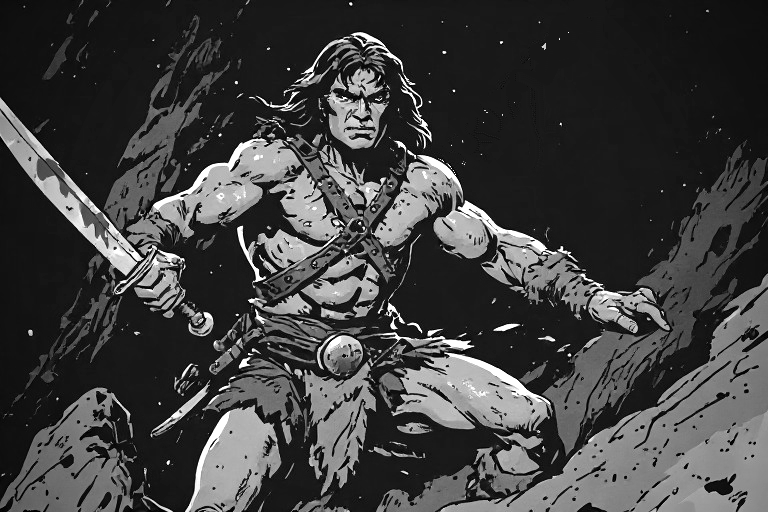
Some images in this article contain generative content, each done stylistically and deliberately to convey the 50s and other BW art vibes. These are a clear indication of how this art form continues to influence artmaking in a contemporary context in the digital age.
Handy Links


Comments